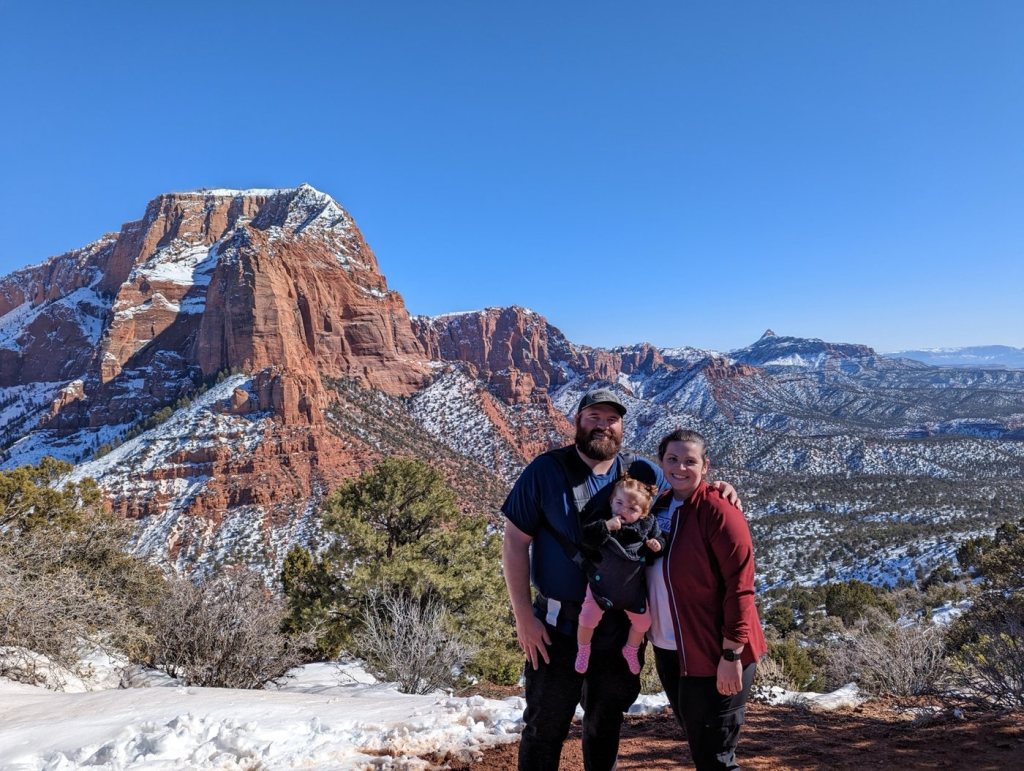
I find it helpful to think of Zion in three areas: the Zion–Mount Carmel Highway, Zion Canyon Scenic Drive, and Kolob Canyons. Each gives you a different view of the park, and you can have an amazing visit without doing one of its hardest hikes.
Zion–Mount Carmel Highway and Canyon Overlook
The Zion–Mount Carmel Highway passes through the amazing Zion–Mount Carmel Tunnel. Completed in 1930, it was the longest tunnel of its kind in the United States when it was dedicated. Driving through it is an absolute must for me. It is a relatively short drive, so it is an easy way to see a lot of Zion even if hiking is not part of your plans.
Check your vehicle size before taking this route. Zion no longer uses the old tunnel permit system for vehicles over the size limits. Vehicles exceeding 35 feet 9 inches in length, 7 feet 10 inches in width, 11 feet 4 inches in height, or 50,000 pounds cannot use the highway between Canyon Junction and the East Entrance. Trailers have additional length limits. Check the park’s current large-vehicle rules before you go.
Just outside the east end of the tunnel is the Canyon Overlook Trail. It is one mile round trip, with 163 feet of elevation change. There are stairs and uneven, rocky sections, so the short distance does not mean it is an effortless walk. The trail is beautiful the whole way and ends at a viewpoint over Pine Creek Canyon and lower Zion Canyon.
Parking is extremely limited. I think early morning is the best time to try this hike: you have a better chance of finding a space, and the light is lovely for photos. Midmorning and early afternoon can be beautiful too. I have hiked it in the evening, when the sun can create glare at the overlook, and I still thought it was worth doing. Use designated parking and be prepared to come back if the spaces are full.
Zion Canyon Scenic Drive
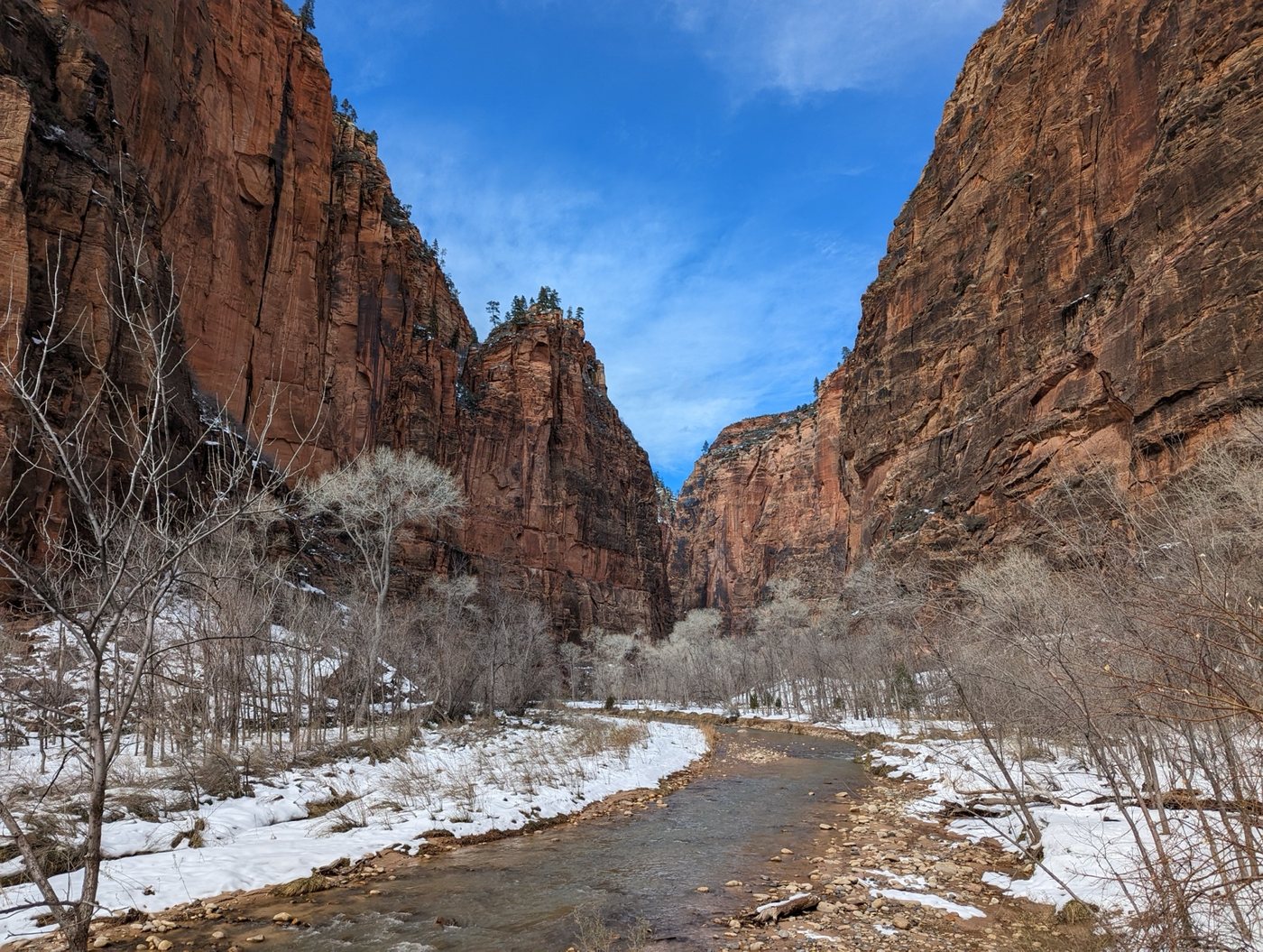
The main canyon is where you will find many of the hikes Zion is famous for, including Angels Landing and The Narrows. For most of the year, the Scenic Drive is reached by the park shuttle rather than a private car, so check the shuttle schedule before planning your day.
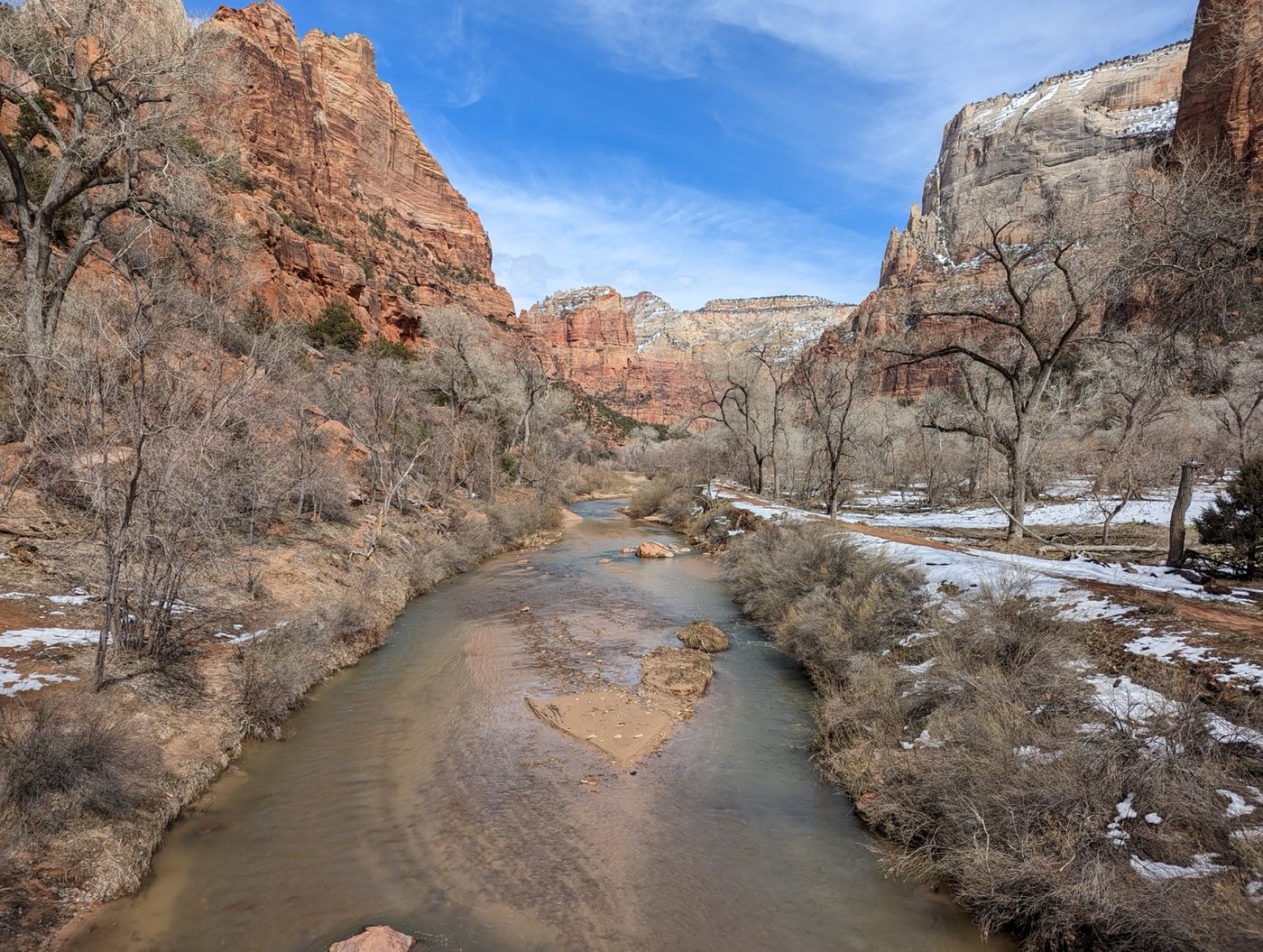
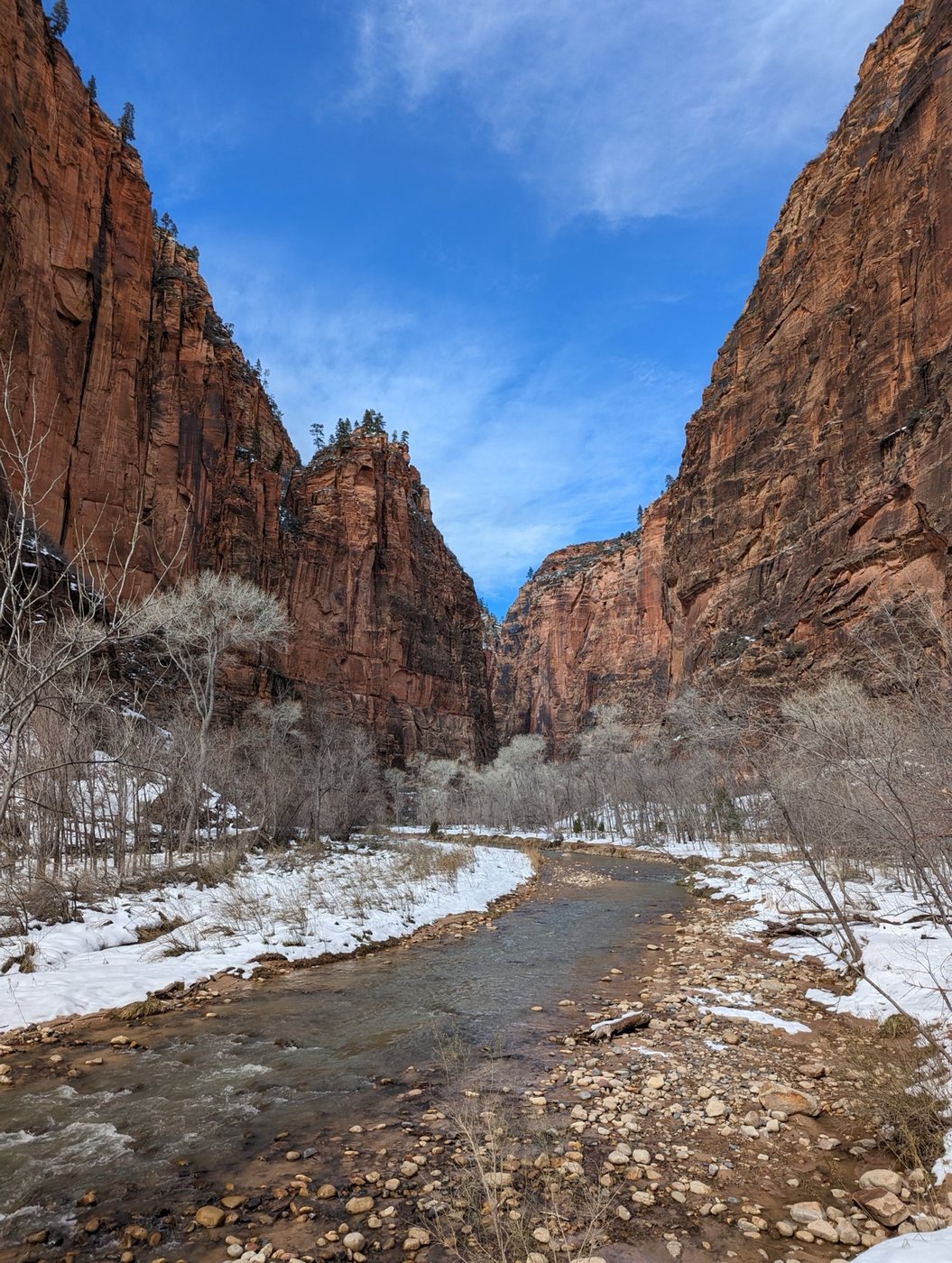
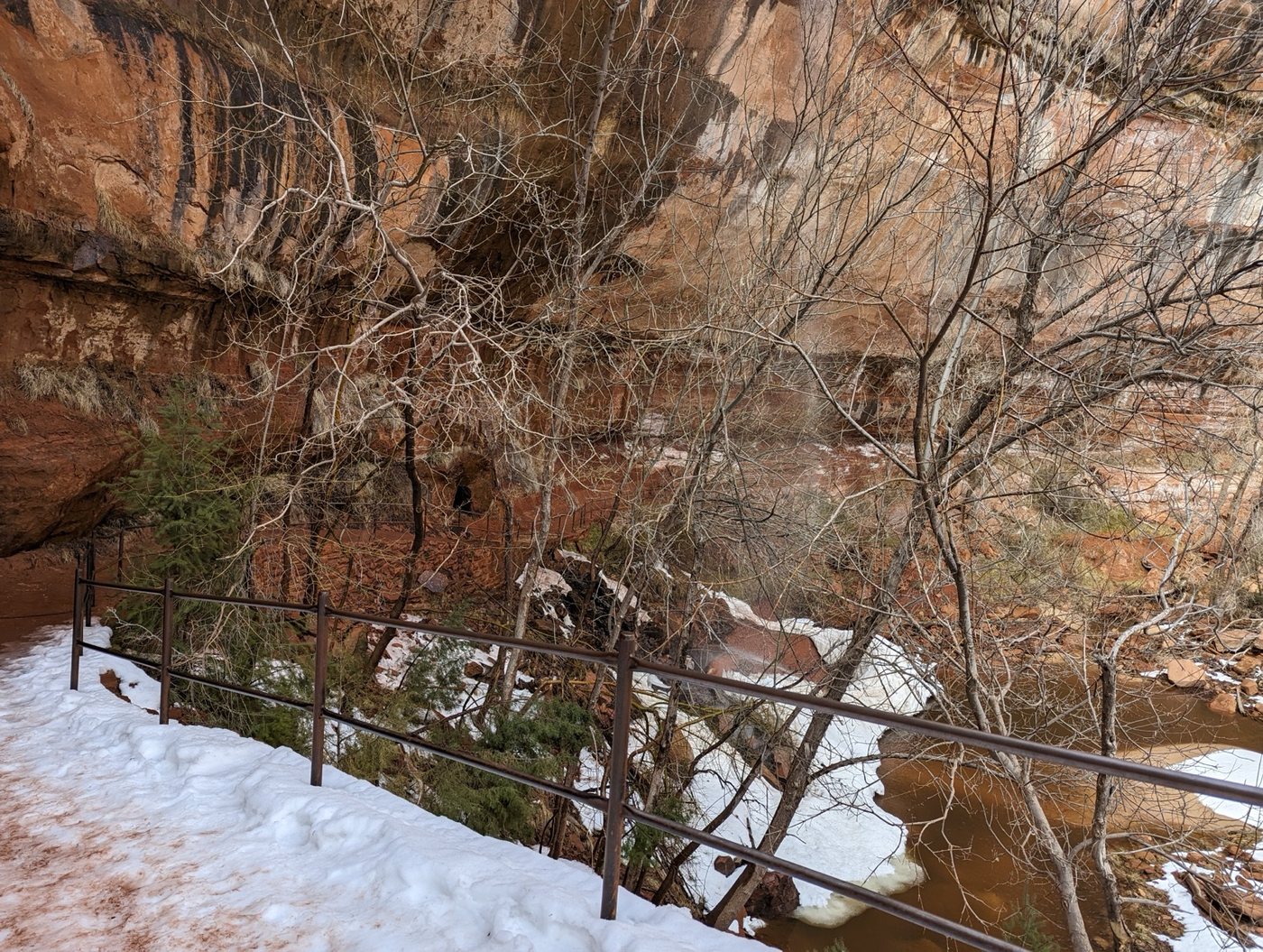
You do not have to take on a strenuous hike to enjoy this part of Zion. The Lower Emerald Pool Trail starts near Zion Lodge and gives you views of the canyon walls on the way to the pools. It is a good option when you want a shorter walk surrounded by that towering sandstone. The Riverside Walk, at the far end of the shuttle route, is another way to experience the canyon. Follow its paved path along the Virgin River to the point where hikers enter The Narrows.
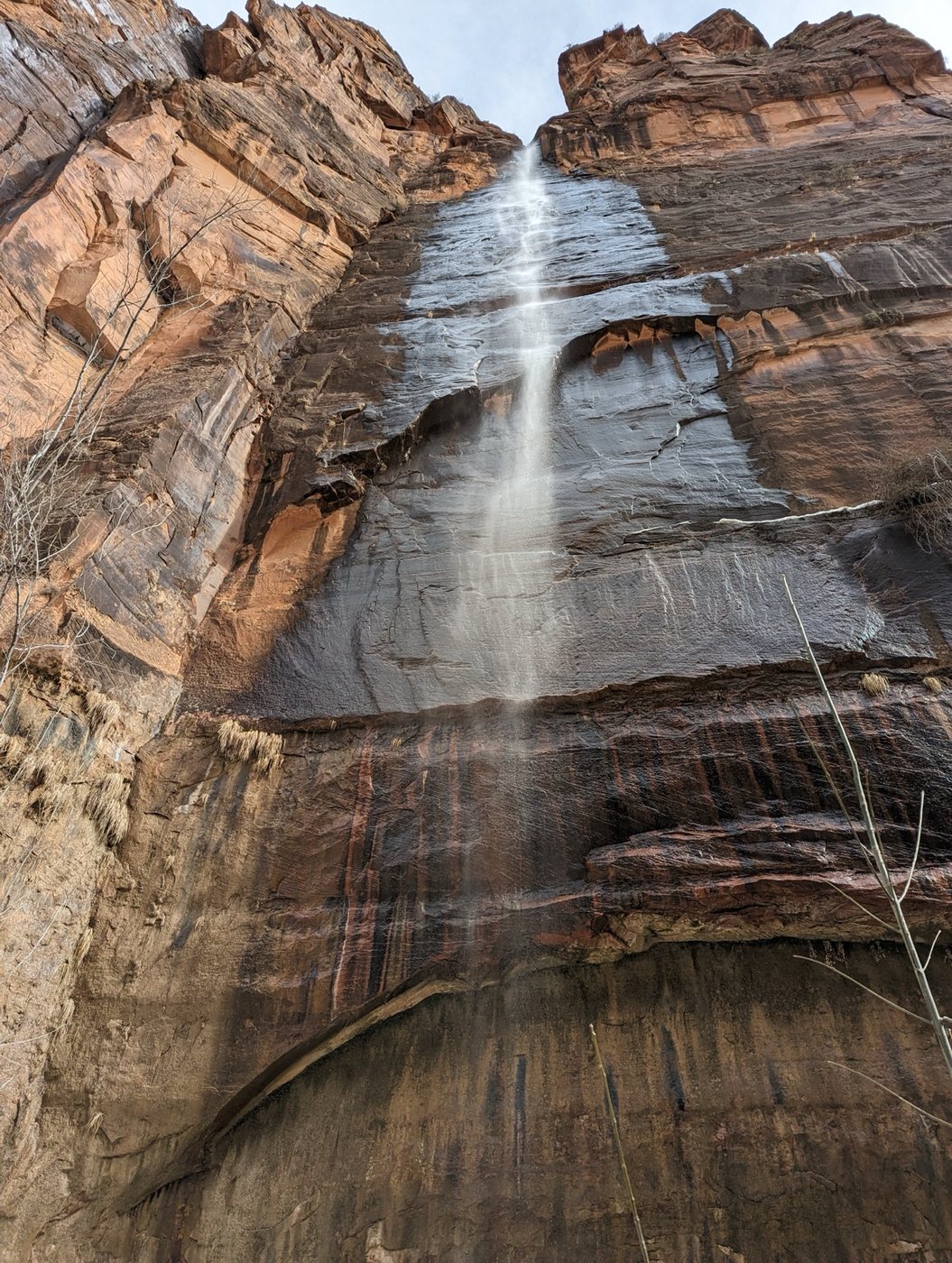
If Angels Landing is on your list, you need a permit to continue past Scout Lookout onto the chains section. If you want to hike into The Narrows, remember that the river is the route: check water conditions and the flash-flood forecast first. Even if you skip both, the shuttle stops and easier walks make the Scenic Drive well worth your time.
Kolob Canyons—and a note about The Subway
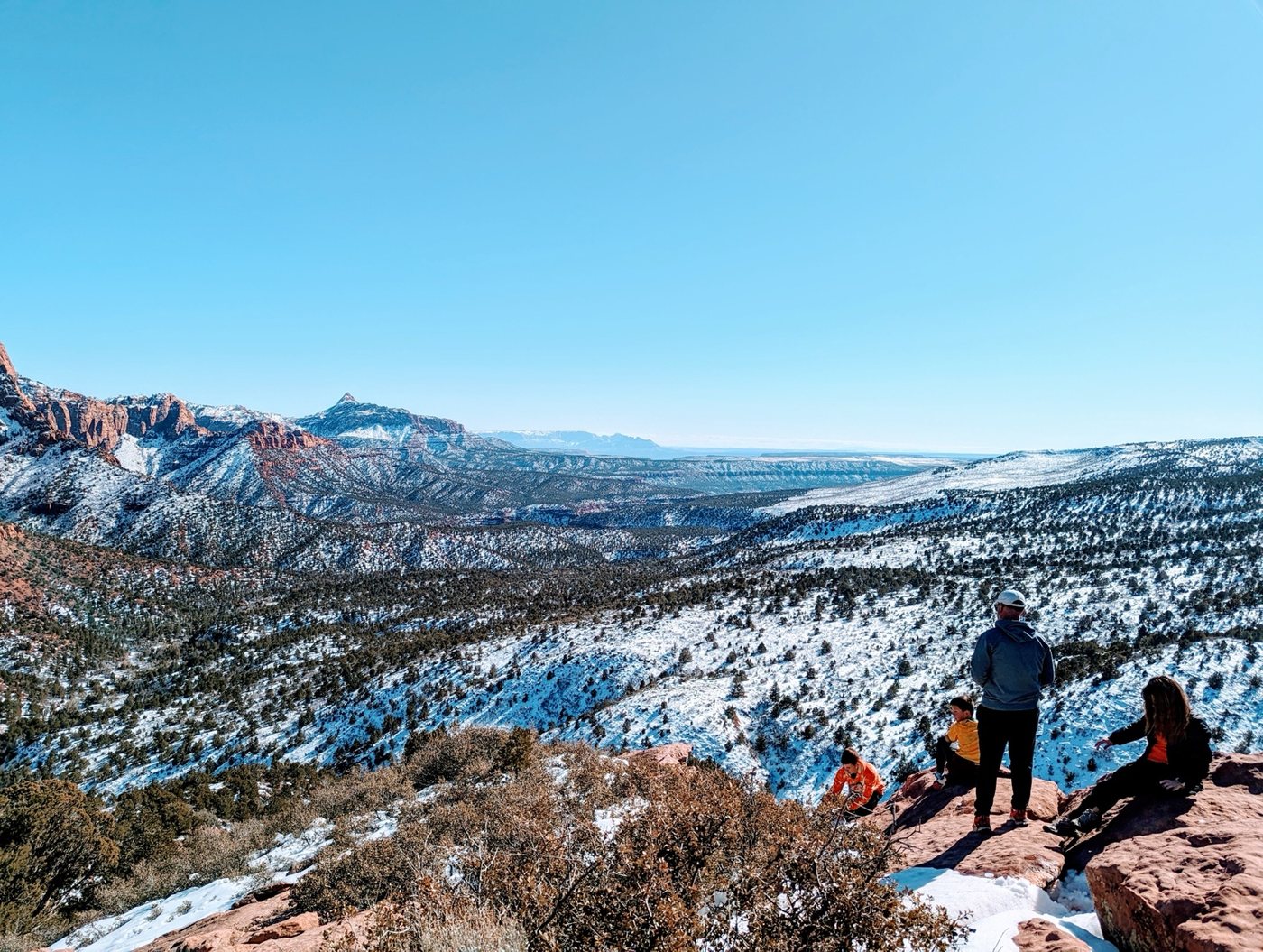
Kolob Canyons is in the northwest part of Zion, about an hour from Zion Canyon. Its five-mile scenic drive has places to stop and take in the red cliffs. At the end of the road, the short Timber Creek Overlook Trail leads to a wide view of the surrounding landscape. I would give this area its own time instead of trying to squeeze it into a rushed visit to the main canyon.
The Subway is another famous Zion hike, but its trailheads are on Kolob Terrace Road, a separate road—not on the Zion Canyon Scenic Drive or the Kolob Canyons drive. It requires a wilderness permit and is a strenuous trip that takes serious preparation.
If you have one day in Zion, I would focus on the tunnel, Canyon Overlook, and the main canyon. With more time, add Kolob Canyons. Before leaving, check the park’s current conditions, since trail access, roads, and shuttle service can change.







Leave a Reply